

The environment surrounding logistics supply chains is undergoing major changes due to pandemics, disaster risks, and diversifying demand. Under these circumstances, the importance of logistics —reviewing entire operations with digital technology—is growing, and among these approaches, smart logistics utilizing IoT and sensors is attracting attention as a concrete means of realizing logistics . This article explains the sensing technologies that support smart logistics and their benefits.
Logistics and Smart Logistics
The logistics industry has long faced numerous challenges, including severe labor shortages, task dependency on individuals, and inefficient inventory management. Logistics —a fundamental review of logistics itself—is being promoted to solve these issues at their root. Efforts to rebuild entire business processes with digital technology and transition to sustainable operations are accelerating across various regions.
The keys to logistics are visualization and optimization . To grasp the status of in real time and make data-driven decisions control, the introduction of sensing technology is essential. These efforts to implement such technology in and improve overall logistics performance are called smart logistics , which forms the core of logistics .
Visualization Through Sensing Technology
In of smart logistics, various types of sensors are utilized, and efforts toward visualization —real-time tracking of the movement and status of goods—are advancing.
RFID (IC Tags)
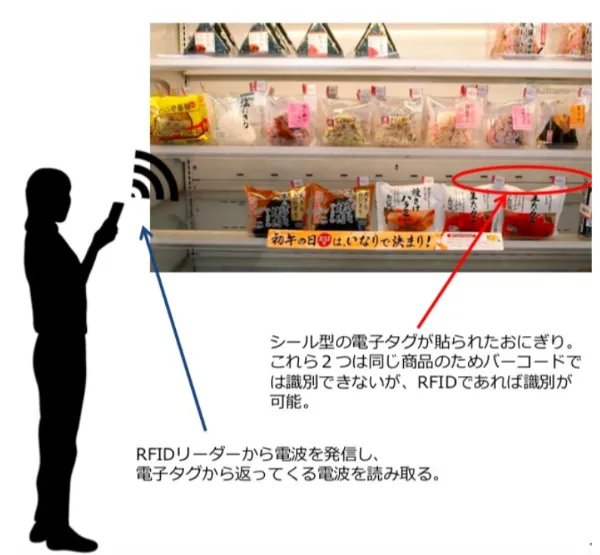
RFID stands for Radio Frequency Identifier , a technology that reads and writes data on dedicated tags without contact. It is used for receiving/shipping and inventory management in distribution centers and stores. Batch reading capability significantly reduces work time compared to barcodes. Reducing manual checking also helps prevent human errors.
GPS Sensors
GPS sensors installed in trucks and delivery vehicles are used to track current location and travel routes in real time. This enables early detection of traffic congestion and delays, allowing optimal vehicle allocation and route changes. This is a critical technology for improving delivery efficiency and customer satisfaction.
Temperature Sensors
For cargo requiring temperature control, such as food and pharmaceuticals, temperature sensors constantly monitor temperature during transport to verify proper maintenance. This ensures quality preservation in cold chains and reduces quality issues and return risks.
Impact Sensors
Impact sensors are effective for cargo vulnerable to shocks during transport, such as precision equipment and fragile items. By recording the intensity and timing of impacts during transport, they can be used to identify causes of damage, ensure quality, and serve as evidence for complaint handling.
Integration with IoT Platforms
Data obtained from these various sensors is centrally aggregated visualized through IoT platforms. Highly scalable IoT infrastructure enables monitoring across multiple logistics processes, allowing managers to grasp the overall situation on dashboards and make real-time decisions.
From Visualization to Optimization : Impact Across the Entire Supply Chain
Sensing technology not only realizes logistics visualization but also contributes to efficiency and optimization across the entire supply chain.
Demand Forecasting and Inventory Optimization
Sensing data collected from , when combined with AI and analytical tools, is used to improve demand forecasting accuracy and prevent inventory shortages or surpluses. This minimizes opportunity loss and obsolete inventory risks.
Lead Time Reduction
Visualization of the entire logistics process enables rapid identification of bottlenecks, allowing resource reallocation and process optimization. As a result, lead time from procurement to delivery is shortened, improving overall supply chain speed.
Environmental Impact Reduction
By reviewing transport routes and reducing redeliveries, truck mileage and fuel consumption can be reduced, resulting in lower CO2 emissions. Furthermore, strengthened temperature control prevents food loss, contributing to value creation from an ESG (Environmental Social Governance) perspective.
Major retailers are advancing RFID adoption. For example, Uniqlo began attaching RFID tags to all products in 2018, reducing inventory work time by approximately 90%. Data-driven inventory optimization has lowered out-of-stock rates while controlling excess inventory. The effects of sensing are evident in both and management aspects.
Summary
Utilizing sensing technology provides the foundation for supporting efficient logistics operations and harmonious supply chain management. Furthermore, leveraging real-time data from sensors leads to improvements not only in operational quality but also in environmental consideration and social value. Going forward, integration with AI and automated control is expected to evolve into more advanced predictive logistics.